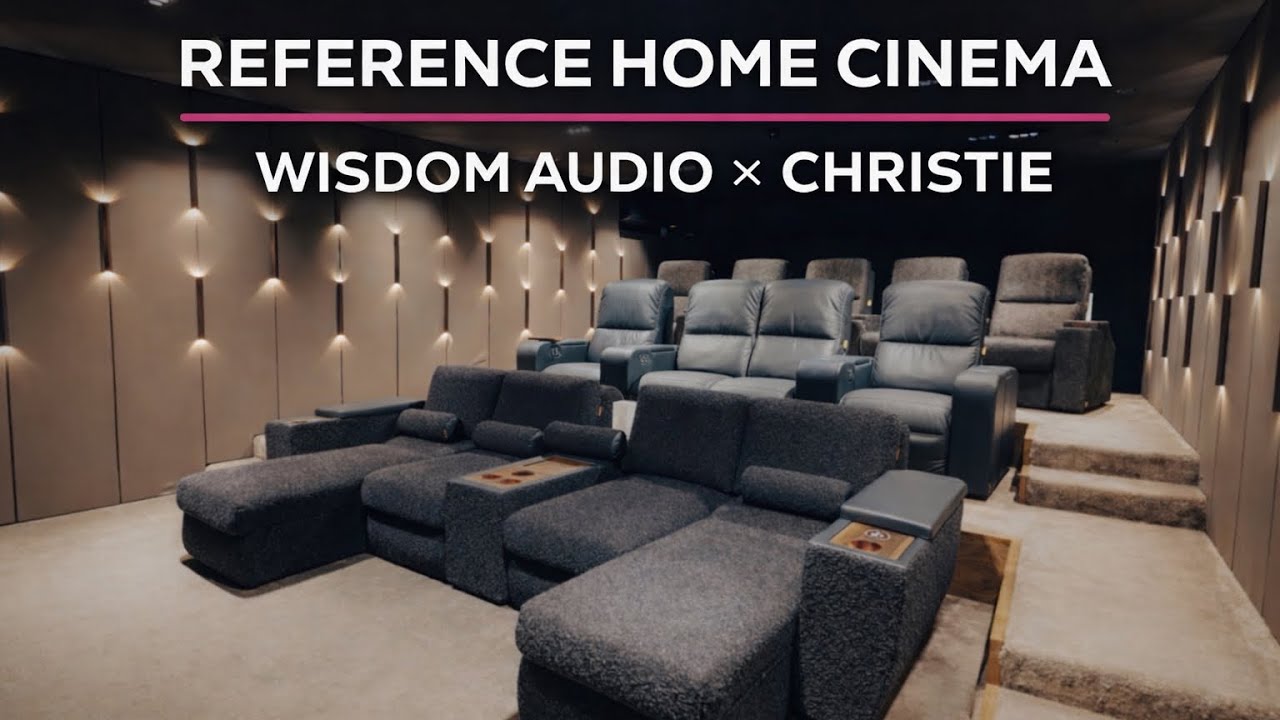
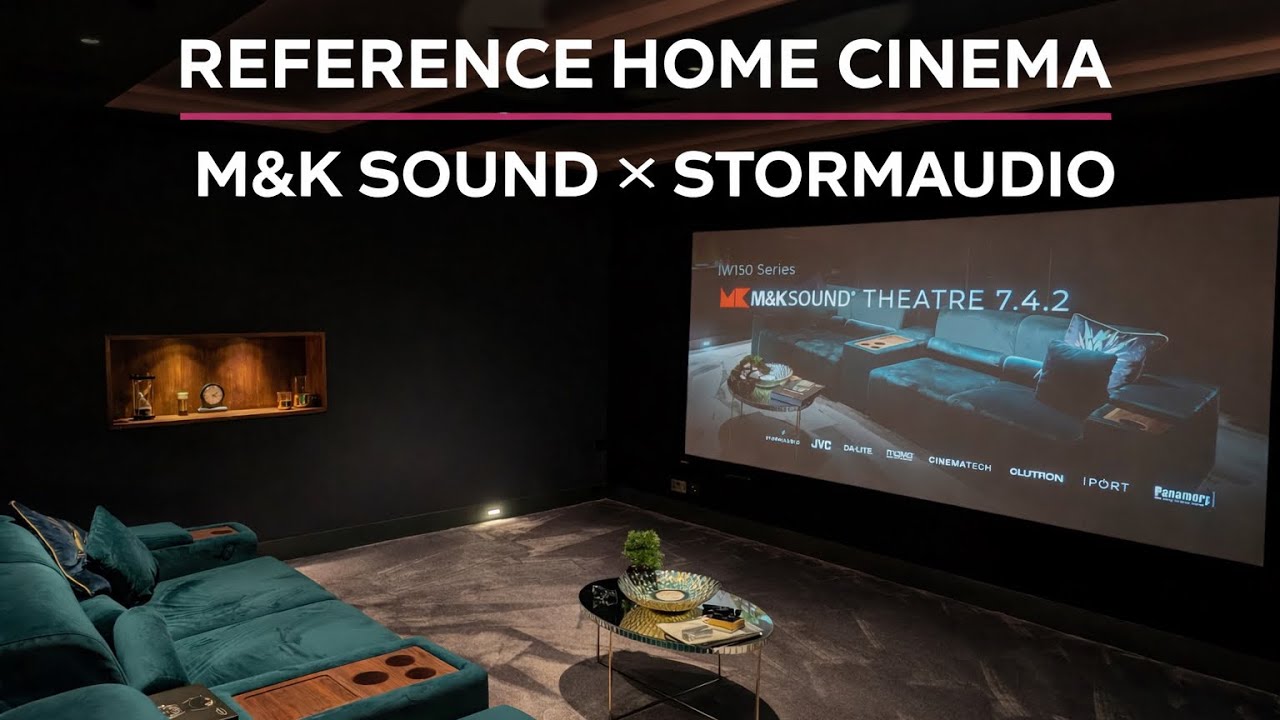
A double garage is one of the most promising spaces for a home cinema conversion. The floor area is generous, the ceiling is high, and — unlike a basement — natural light isn't something you're fighting. But garages come with structural challenges that catch people off guard, and getting them wrong means noise complaints, condensation problems, and a cinema room you regret. Atif walks through a live Zebra installation mid-build.
Why Double Garages Work Well for Home Cinemas
The typical double garage offers around 30–35 square metres of usable floor area — enough for a proper dedicated cinema with a comfortable throw distance, rear equipment zone, and acoustic treatment without the room feeling cramped.
Compared to other popular conversion spaces:
| Space | Typical Size | Key Challenge |
|---|---|---|
| Double garage | 30–35 m² | Habitability, acoustic isolation |
| Basement | 20–40 m² | Moisture, ventilation, egress |
| Loft | 15–25 m² | Head height, load capacity |
| Spare bedroom | 12–20 m² | Size constraints, flanking noise |
The garage's main advantages — unobstructed rectangular footprint, no existing plumbing or internal partitions to work around — make it the most flexible conversion canvas. This particular project splits a triple garage: the double bay becomes the cinema, the single bay is retained for storage.
The Structural Problem You Don't Anticipate: What's Above You
The most consequential factor in any garage cinema conversion isn't the speakers or the projector. It's what's directly above the ceiling.
In this installation, there's a bedroom directly overhead. That single fact determines almost every major decision in the build: how the ceiling is constructed, how deep the acoustic treatment needs to be, and how much the budget has to stretch to achieve adequate isolation.
The problem works in two directions. Bass from subwoofers and the cinema's low-frequency energy transmits upward through the structure and into the bedroom — sleeping in a room above a home cinema without isolation is genuinely unpleasant. Equally, impact noise and footfall from the bedroom transfers downward into the cinema during playback.
"We're building essentially a room within the room — but this internal wall is completely isolated from the adjacent wall. There's going to be an air gap here, followed by lots of acoustic insulation."
Room-Within-a-Room Construction: What It Means in Practice
A room-within-a-room is the professional approach to acoustic isolation. Instead of building directly against the existing walls, you construct a new independent structure inside the garage — with no rigid connection between the inner room's walls and the outer garage walls. Sound energy trying to escape hits the air gap and loses energy rather than transmitting directly through solid contact points.
The construction stack on the walls at this installation:
- 1.Existing garage brick/block external wall
- 2.Air gap (typically 25–50mm minimum)
- 3.Acoustic mineral wool (Rockwool RW3 or equivalent)
- 4.Independent studwork
- 5.Double plasterboard with resilient bars (decoupled from studs)
For the ceiling — where the bedroom sits directly above — the challenge is compounded by an existing underfloor heating system serving the bedroom. That system sits in the structural floor, and the new cinema ceiling has to be built below the horizontal steel that supports it, incorporating insulation above.
Steel Column Removal: When the Structural Engineer Gets Involved
This project required the removal of a vertical steel column that had been part of the original garage structure. The column was replaced with a horizontal steel beam spanning the width of the space.
This is not DIY territory. Column removal in any garage conversion requires:
- ▪A structural engineer's assessment and calculation
- ▪Building Regulations approval
- ▪A temporary propping scheme during the works
- ▪Inspected installation of the new structural element
In this case, the new horizontal steel also serves the build: the final cinema ceiling will sit below it, allowing the space between the steel and the existing structural floor above to be packed with acoustic insulation.
Front Wall Construction: Subwoofers, Screen, and In-Wall Speakers
The front wall of a dedicated cinema room carries the most acoustic load and requires the most careful construction. At this Zebra installation, the specification includes:
Subwoofer integration in front corners. Corner loading is the most efficient placement for subwoofers in a rectangular room — the corners act as natural pressure horns, requiring less amplifier power for the same bass output, while also helping to smooth bass mode distribution across the seating positions.
In-wall speakers on a plywood backer. In-wall loudspeakers require a rigid mounting surface to prevent the cabinet vibrating against soft plasterboard, which creates colouration and degrades performance. The front wall is framed out, plywood is fixed to the studwork, and the in-wall speakers mount into cut-outs in the ply.
Screen on the same frame. The projection screen mounts above the speaker framework, keeping the LCR behind the acoustically transparent screen fabric.
Equipment Location: Why the Projector Room Matters
A recurring theme in Zebra's installations is separating equipment from the cinema room. At this project, AV rack equipment — Apple TV, Sky, amplifiers, control systems — goes into an adjacent room. Only the projector occupies the cinema space itself, centrally mounted.
This approach delivers several practical benefits:
- ▪Noise: Fan cooling on amplifiers and processors doesn't intrude on the listening environment
- ▪Heat: Equipment heat loads don't affect the cinema room's climate
- ▪Access: Rack servicing doesn't require entering the cinema
- ▪Cabling: A structured cabling path from the equipment room to the front wall projection position keeps the cinema clean
The control system — managing lighting, screen masking, sources, and the projector — also lives in the adjacent room, with a structured cable run back into the cinema.
Viewing Distance Calculation: The Critical Measurement
Before seating is positioned, the acoustic and viewing geometry is calculated. The ideal viewing distance for a home cinema depends on:
- ▪Screen width
- ▪Projector's aspect ratio output
- ▪The viewer's desired immersive angle (THX recommends a 26° viewing angle minimum; IMAX format targets 36°+)
Working backwards from the available room depth, the seating position is set, and the surround, rear, and height speaker positions are then calculated relative to that seating position. This is why speaker positioning happens after seating is confirmed — the speakers serve the listener, not the room.
Key Takeaways
- ▪A double garage offers the best conversion footprint — rectangular, unobstructed, and generous enough for proper throw distance and acoustic treatment
- ▪What's above the ceiling determines the entire structural and acoustic strategy; a bedroom overhead requires full room-within-a-room isolation
- ▪Steel column removal is a structural engineering project, not a builder's decision — always involves BSR calculations, Building Regs approval, and inspection
- ▪Subwoofers in front corners exploit corner loading efficiency and help distribute bass more evenly
- ▪In-wall speakers require a plywood mounting backer fixed to studwork — never mount directly into plasterboard
- ▪Equipment isolation (racks in an adjacent room) removes fan noise, heat, and servicing disruption from the cinema environment
Frequently Asked Questions
Do I need planning permission to convert a double garage into a home cinema?
In England and Wales, a garage conversion is usually permitted development — no planning permission required — as long as it remains within the existing building footprint and doesn't alter the external appearance significantly. You will need Building Regulations approval for thermal insulation, structural works, ventilation, and fire safety. If the garage is attached to the house and you're creating a habitable room, Building Control inspection is required.
How much acoustic isolation do I actually need between a cinema and a bedroom above?
For a typical home cinema running at reference listening levels (~85 dB SPL at the listening position), you want at least 45–55 dB of sound transmission loss between the cinema ceiling and the bedroom floor. Achieving this requires decoupled ceiling construction (resilient bars, double plasterboard) plus substantial mineral wool infill. Budget builds with a single plasterboard layer typically achieve around 35 dB — audible and disruptive at reference levels.
Can a regular builder do a garage cinema conversion, or does it need a specialist?
A competent builder can handle the structural and habitability elements — insulation, plastering, electrical first fix. However, the acoustic construction (room-within-a-room decoupling, resilient bar systems, air gap management) and the AV infrastructure (cable routes, conduit, in-wall speaker backer design) benefit significantly from specialist knowledge. Getting the acoustic construction wrong at first fix means expensive remediation later.
How do you calculate where to put the seating in a garage cinema?
Start with the screen size (determined by the projector's throw distance and available depth), then calculate the viewing distance for your target immersive angle. THX recommends a minimum of 26° horizontal angle; for a more cinematic feel, 30–36° is preferable. Once seating is positioned, surround speakers are placed at 90–110° from the listening position (ITU standard) and rear speakers at 135–150°.
What's the minimum ceiling height for a comfortable home cinema?
2.7 metres is generally considered the practical minimum for a first-floor installation without acoustic constraints. For a garage conversion with room-within-a-room ceiling construction, you typically lose 250–400mm of ceiling height depending on the system. A garage with a 2.8m finished ceiling before works might end up at 2.4–2.5m — still workable, but worth checking before committing to the project.